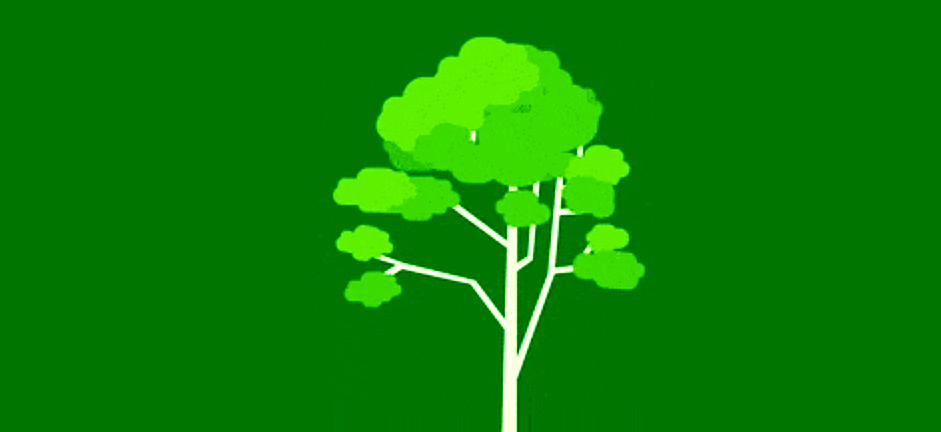
We may work in silos.
But we exist in ecosystems.
Silos to Ecosystems Leadership Model
COMING SOON: Silos to Ecosystems Concept Paper
When you hear the word “silo” do you think of farms or systems?
The first time I heard the word “silo” was in a conversation about education policy. I looked up the word and learned that it had more to do with grain storage than systems change.
But over the years as an advocate-at-heart/attorney-by-training, I have been in a few Rooms™. And from the classroom, to the local school district, state university systems, national think tanks, federal policymaking, and beyond, I hear the same word over and over again– silos.
If you think of yourself as a changemaker, no matter your approach, you’ve likely heard or said that a silo got in the way of the work.
My career has been interdisciplinary and I’m a Black immigrant/FirstGen woman, so I’ve always had the privilege of sitting at the intersections. And from this view, I don’t see silos– I see trees.
Trees have a lot to teach us about connection and collaboration for shared advancement and growth.
Though we may treat them as separate entities, individual trees stretch their roots wide, finding grounding in an expansive diameter of soil and sharing resources with their neighboring trees.
As their flowers bloom, they depend on an entire ecosystem of actors to bear fruit. The seeds in that fruit ensure the grove’s sustainability.
Social impact leaders may treat our work as separate, siloed disciplines, but we exist in ecosystems.
Like a tree’s roots, our systems are all connected– child care to the workforce, climate change to public health, AI to education, equity and liberation to everything.
I’ve learned that the impact we seek only happens when we work together, when changemakers collaborate skillfully.
Increasingly, the pace of change and the complexity of the world *requires* us to work together well, within teams, across sectors, amongst communities.
I truly believe it’s possible to move beyond silos and cultivate ecosystems where we can all thrive. I believe impact is about both what you do (long-term vision) and how you do it (short-term action). And I believe collaboration is a skill that can be learned and developed.
The world can change. But no one can change the world alone.
The Silos to Ecosystems Leadership Model was created to help leaders harness the power of collaboration for systems change.
Because the world can change. But not one can change the world alone.